
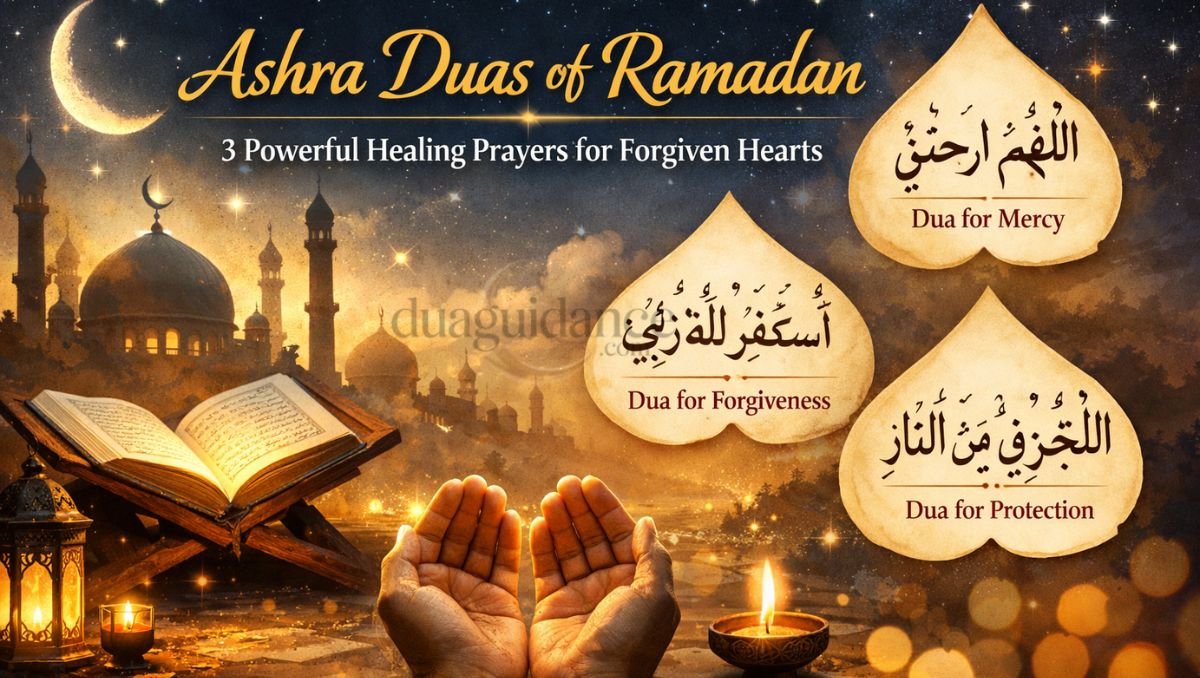
Ramadan is not only a month of fasting; it is a spiritual passage from the heart and soul to spirit. And, one of the most beautiful presentations it makes are the Ashra Duas of Ramadan that divides this blessed month into three exceptionally sacred parts. Each Ashra comes with mercy, forgiveness, and salvation–drawing the believers closer to Allah step by step.Before iftar, in the depth of night, after special prayer, when everything is quiet—these are moments of healing through Ashra Duas of Ramadan. No sin so big, no heart so broken and no soul so far away that it can not turn back to the mercy of Allah.
Visit Now: https://brightnora.com/
The Spiritual Importance of Ashra Duas of Ramadan
The wisdom behind Ashra Duas of Ramadan lies in how Allah gently nurtures the believer throughout the month. First, He embraces us with mercy. Then, He cleanses us with forgiveness. Finally, He grants freedom from Hellfire. This gradual spiritual transformation helps believers grow emotionally and spiritually without feeling overwhelmed.
When duas are regularly recited, the heart becomes soft, tears flow at easy and faith gains strength. Ramadan is no longer merely a habit, but something deeply personal and healing.
First Ashra (Days 1-10): Mercy of Allah
The first ten days of Ramadan focus on Allah’s boundless mercy. The first phase shows that Allah loves people before he makes his final judgment of them. During this period, believers turn to Ashra Duas of Ramadan seeking compassion, peace, and spiritual comfort.
Read More: The Quranic Verse That Opens the Doors of Sustenance
Dua of the First Ashra (Arabic):
رَبِّ اغْفِرْ وَارْحَمْ وَأَنْتَ خَيْرُ الرَّاحِمِينَ
Transliteration of first Ashra Dua: Rabbighfir warham wa anta khayrur raahimeen
English Translation of 1st Ashara Dua Ramadan: “O Lord, forgive me, have mercy on me, and You are the Best of the Merciful.”
The dua brings strong feelings through its brief yet forceful content. The dua serves as a heartfelt request which shows that the speaker requires Allah for every moment of their life. The period of Second Ashra extends from Day 11 until Day 20 of Ramadan. The process of Ramadan requires people to turn their attention inward for the purpose of seeking forgiveness and purifying their spiritual being. The Ashra Duas of Ramadan work as a tool for believers during this time to face their errors with optimism instead of feeling embarrassed.
Dua of the Second Ashra (Arabic):
أَسْتَغْفِرُ اللَّهَ رَبِّي مِنْ كُلِّ ذَنْبٍ وَأَتُوبُ إِلَيْهِ
Transliteration: Astaghfirullaha rabbi min kulli dhambin wa atubu ilayh
Meaning: I ask Allah my Lord for forgiveness of all my sins and I turn to Him for repentance.
The Ashra demonstration shows that people who seek forgiveness should not aim for perfect behavior but rather display genuine remorse. The third Ashra which occurs from 21st to 30th day of Ramadan provides people with exemption from Hellfire. The last Ashra of Ramadan presents its strongest emotional experience. The Ramadan nights extend in duration because people pray throughout the night to find Laylatul Qadr.At this stage, Ashra Duas of Ramadan reflect deep fear and deep hope combined.
Read More: The Power of Ramadan: Create Positive Change Every Day
Dua of the Third Ashra (Arabic):
اللَّهُمَّ أَجِرْنِي مِنَ النَّارِ
Transliteration:Allahumma ajirni minan naar
Meaning: O Allah, protect me from the Hellfire.
This dua humbles the heart and strengthens reliance on Allah alone.
Why Ashra Duas of Ramadan Touch the Heart
Unlike long supplications, these duas are simple and direct. Yet their emotional depth is unmatched. Ashra Duas of Ramadan teach us that Allah listens even to the shortest whisper when it comes from a sincere heart.
They help:
- Heal emotional wounds
- Remove spiritual guilt
- Build a strong connection with Allah
- Bring inner peace and hope
How to Recite Ashra Duas of Ramadan Effectively
To truly benefit from Ashra Duas of Ramadan, recite them with presence of heart, not just lips.
Best times to recite:
- After Fajr and Maghrib
- During Suhoor
- While breaking fast
- In Tahajjud
During last ten nights
When people want to heal their emotional wounds they should use the Ashra Duas which they find in the Ramadan period.
Many believers experience tears while reciting these duas because they consider it a blessing. The Ashra Duas of Ramadan provide people with the ability to express their feelings and release their suffering while building their optimistic future.
The heart uses these duas as its vocal expression when humans cannot find suitable words.
Common Errors That Should Not Be Made
The proper way to recite Ashra Duas of Ramadan requires you to avoid these actions:
- Your current pace needs to increase until you achieve your complete understanding of the material.
- People should not treat duas as mere ceremonial practices.
- People should not stop believing that they can receive forgiveness.
- People should develop consistent behavior patterns.
People should know that God values genuine commitment more than their ability to speak fluently. The Ashra Duas of Ramadan provide people with a permanent educational experience. The Ashra Duas of Ramadan remain beautiful because they continue to exist after the end of Ramadan. The message of their teachings about mercy during difficult times and forgiveness after errors, and hope until death remains with us throughout the entire year.
They remind us that Allah’s door is always open.
Read More: Roza Rakhne Ki Dua – Ramadan Fasting Prayer
Conclusion
If recited with sincerity, Ashra Duas of Ramadan can completely transform a believer’s heart. They instruct us to start with compassion, wash away the sin with forgiveness, and conclude in redemption. Several of the 99 have been vocal for months, but there are still many who have been silent until now and many more around the world.(prog: In conclusion in a noisy world these little duas bring sound divine tranquility and healing)
May Allah accept our fastings, our duas and bestow upon us hearts that turn again and again to Him. Ameen.
FAQ’s
What are Ashra Duas of Ramadan?
Ashra Duas of Ramadan are special supplications recited during the three ten-day phases of Ramadan. Each Ashra focuses on a unique spiritual goal: Allah’s mercy, forgiveness of sins, and protection from Hellfire.
How many Ashras are there in Ramadan and what do they represent?
Ramadan is divided into three Ashras. The first Ashra represents mercy, the second Ashra focuses on forgiveness, and the third Ashra seeks freedom from Hellfire through sincere prayer and repentance.
Is it necessary to recite Ashra Duas in Arabic?
While Ashra Duas of Ramadan are traditionally recited in Arabic, Allah understands all languages. Reciting them in Arabic is recommended, but understanding their meaning and praying with sincerity is more important.
When is the best time to recite Ashra Duas of Ramadan?
The best times to recite Ashra Duas of Ramadan are during Suhoor, while breaking the fast, after obligatory prayers, in Tahajjud, and especially during the last ten nights of Ramadan.
Can Ashra Duas of Ramadan be recited outside Ramadan?
Yes, Ashra Duas of Ramadan can be recited throughout the year. These short and powerful supplications help strengthen faith, bring inner peace, and keep the heart connected to Allah even after Ramadan ends.