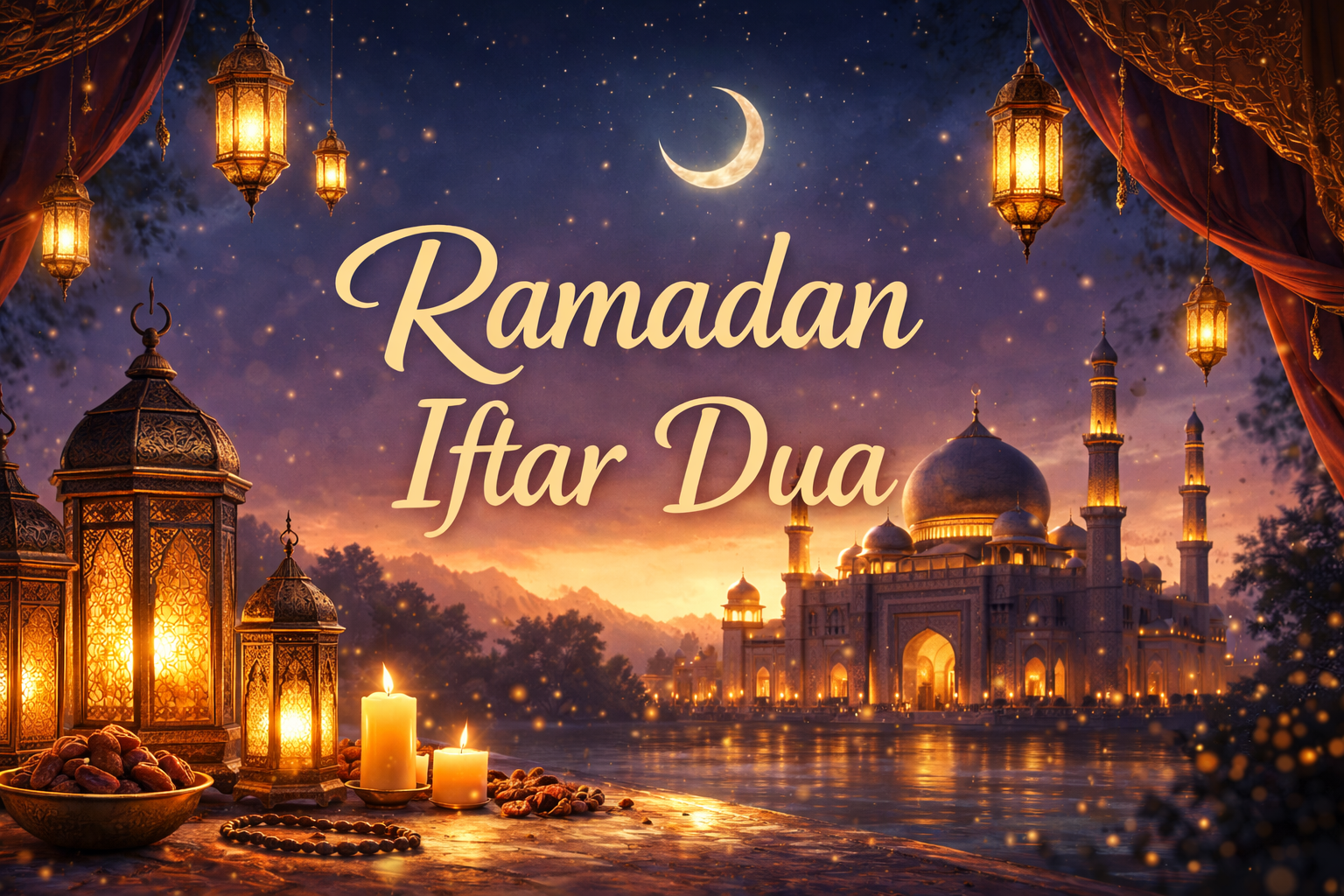
The month of Ramadan brings people the ability to experience mercy and forgiveness and develop their spiritual abilities. Muslims from all parts of the world observe their daily fasts, which start at dawn and end at sunset throughout this holy month. Iftar marks the time when Muslims end their fasts, which creates a beautiful moment that brings them deep spiritual power. Muslims use Ramadan Iftar Dua as their official supplication to break their fast at this sacred time.
The Arabic Ramadan Iftar Dua and its English translation, together with Hadith references and virtuous aspects and common mistakes to avoid, will be presented in this comprehensive guide. The author wrote this article using straightforward language so readers can comprehend and experience the beauty of this Sunnah.
Visit Now: https://brightnora.com/
What Is Ramadan Iftar Dua?
Ramadan Iftar Dua is the supplication recited at the time of breaking the fast in Ramadan. It is a Sunnah of Prophet Muhammad ﷺ and reflects gratitude, humility, and reliance on Allah.
Breaking the fast is not just about eating after a long day — it is a spiritual act of worship. The dua reminds us that we fasted for Allah alone and that all blessings come from Him.
Read More: First Ashra of Ramadan: A Time of Mercy and Countless Blessings
Authentic Ramadan Iftar Dua in Arabic
There are two well-known authentic supplications reported in Hadith for breaking the fast.
First Authentic Dua
ذَهَبَ الظَّمَأُ وَابْتَلَّتِ الْعُرُوقُ وَثَبَتَ الأَجْرُ إِنْ شَاءَ اللَّهُ
Dhahaba adh-dhama’u wabtallatil-‘urooq wa thabatal-ajru in shaa Allah.
“The thirst has gone, the veins are moistened, and the reward is confirmed, if Allah wills.”
This dua is reported in Sunan Abi Dawud and is considered authentic by many scholars.
Second Reported Dua
اللَّهُمَّ إِنِّي لَكَ صُمْتُ وَبِكَ آمَنْتُ وَعَلَيْكَ تَوَكَّلْتُ وَعَلَى رِزْقِكَ أَفْطَرْتُ
Allahumma inni laka sumtu wa bika aamantu wa ‘alayka tawakkaltu wa ‘ala rizqika aftartu.
“O Allah, for You I have fasted, in You I believe, upon You I rely, and with Your provision I break my fast.”
This narration is mentioned in Sunan Ibn Majah.
Both duas are beneficial, but the first one is generally considered stronger in authenticity.
When Should You Ramadan Iftar Dua?
The supplication of Ramadan Iftar Dua should be recited when Maghrib is brought in, that is, when the sun is setting and before taking the first sip of water or first bite of food.
The Prophet ﷺ encouraged Muslims to hasten in breaking their fast as soon as the sun sets. This practice is based on authentic narrations found in Sahih al-Bukhari.
Delaying Iftar unnecessarily is against the Sunnah.
Why Is Ramadan Iftar Dua So Special?
The time of Iftar is not just an ordinary moment. It is a time when duas are accepted.
The Prophet ﷺ said that the fasting person has a supplication that is not rejected at the time of breaking the fast. This makes the moment incredibly powerful.
When you raise your hands and recite Iftari Ki Dua, you are:
- Showing gratitude to Allah
- Acknowledging your weakness and dependence
- Hoping for a reward
- Strengthening your faith
After reciting the Sunnah dua, you can also make personal duas for yourself, your family, and the Ummah.
Read More: Iftari Ki Dua – Authentic Dua for Breaking Fast with Meaning
The Spiritual Meaning Behind Ramadan Iftar Dua
Let’s reflect on the first authentic dua:
“The thirst has gone…”
After hours of fasting, your body feels relief. This reminds you of how temporary worldly hardship is.
“The veins are moistened…”
It highlights how dependent we are on Allah even for a sip of water.
“The reward is confirmed, if Allah wills.”
This line reminds us that true success is not food — it is a reward from Allah.
The dua connects physical relief with spiritual success.
Common Mistakes People Make
Even though Ramadan Iftar Dua is simple, many people unknowingly make small mistakes.
1. Reading the Dua Before Sunset
You must wait until Maghrib time officially begins.
2. Forgetting the Dua Completely
Many people rush to eat and forget the Sunnah.
3. Thinking Only One Dua Is Allowed
Both authentic duas are permissible.
4. Not Making Personal Dua
After the Sunnah dua, make heartfelt personal supplications.
Benefits of Reciting Ramadan Iftar Dua
Here are some powerful benefits:
1. Following the Sunnah
You revive a beautiful practice of the Prophet Muhammad ﷺ.
2. Increased Reward
Every Sunnah act increases your reward in Ramadan.
3. Gratitude Training
The dua teaches you to be thankful for small blessings like water.
4. Acceptance of Duas
The time of Iftar is among the best moments for accepted prayers.
How to Teach Ramadan Iftar Dua to Children?
Ramadan is the perfect time to build Islamic habits in children.
- Print the dua in Arabic and English.
- Repeat it daily together.
- Explain its meaning in simple words.
- Encourage children to make their own duas after it.
The practice creates affection for Ramadan which establishes a bond with the Sunnah. The Ramadan Iftar Dua together with the Spirit of Ramadan act as a unified spiritual entity. Ramadan brings more than food deprivation. Its purpose extends to teaching people about patience and self-control and charity and forgiveness and their connection to Allah.
The entire period from the initial fast until the final night holds value. The daily recitation of Iftari Ki Dua keeps your intention pure and your heart connected. The tiny daily moments of Iftar receive significant blessings just as the nights of Laylat al-Qadr provide their believers from God.
Consistency in small Sunnah actions builds a strong spiritual foundation.
Read More: How to Prepare for Ramadan 2026: Powerful Spiritual Plan for a Blessed
Conclusion
The Ramadan Iftar Dua exists as a brief and straightforward prayer that people can learn to remember because it contains profound meanings and great benefits. The prayer establishes dining as a religious practice.
As you break your fast this Ramadan:
- Pause for a moment.
- Recite the authentic Iftari Ki Dua.
- Feel gratitude in your heart.
- Make sincere personal supplications.
May Allah accept our fasts, forgive our sins, and grant us the reward promised to those who fast sincerely.
Ameen.
FAQ’s
What is the Ramadan Iftar Dua?
The Ramadan Iftar Dua is a supplication recited by Muslims at the time of breaking the fast. It thanks Allah for the strength to fast and asks for acceptance.
When should you read the Ramadan Iftar Dua?
The Ramadan Iftar Dua is recited right at the time of Iftar, just before or while breaking the fast at sunset.
What is the Arabic text of the Ramadan Iftar Dua?
The commonly recited Ramadan Iftar Dua is:
“Allahumma inni laka sumtu wa bika aamantu wa ‘alayka tawakkaltu wa ‘ala rizqika aftartu.”
What does the Ramadan Iftar Dua mean?
It means: “O Allah, I fasted for You, I believe in You, I trust in You, and with Your provision I break my fast.”
Why is the Ramadan Iftar Dua important?
The Ramadan Iftar Dua is important because it expresses gratitude to Allah and follows the Sunnah of breaking the fast with remembrance of Him.